Your Burning Question: Why Are Insurance Premiums So High?
Homeowners across Ontario are feeling the financial strain as home insurance premiums continue their steady climb. Recent data illustrates this trend, revealing that the average cost of home insurance in the province has surged, significantly outpacing the general rate of inflation. This reality is hitting particularly hard in northern communities in the province, including cottage country locales like Huntsville, where residents are seeing substantial increases in their yearly insurance costs.
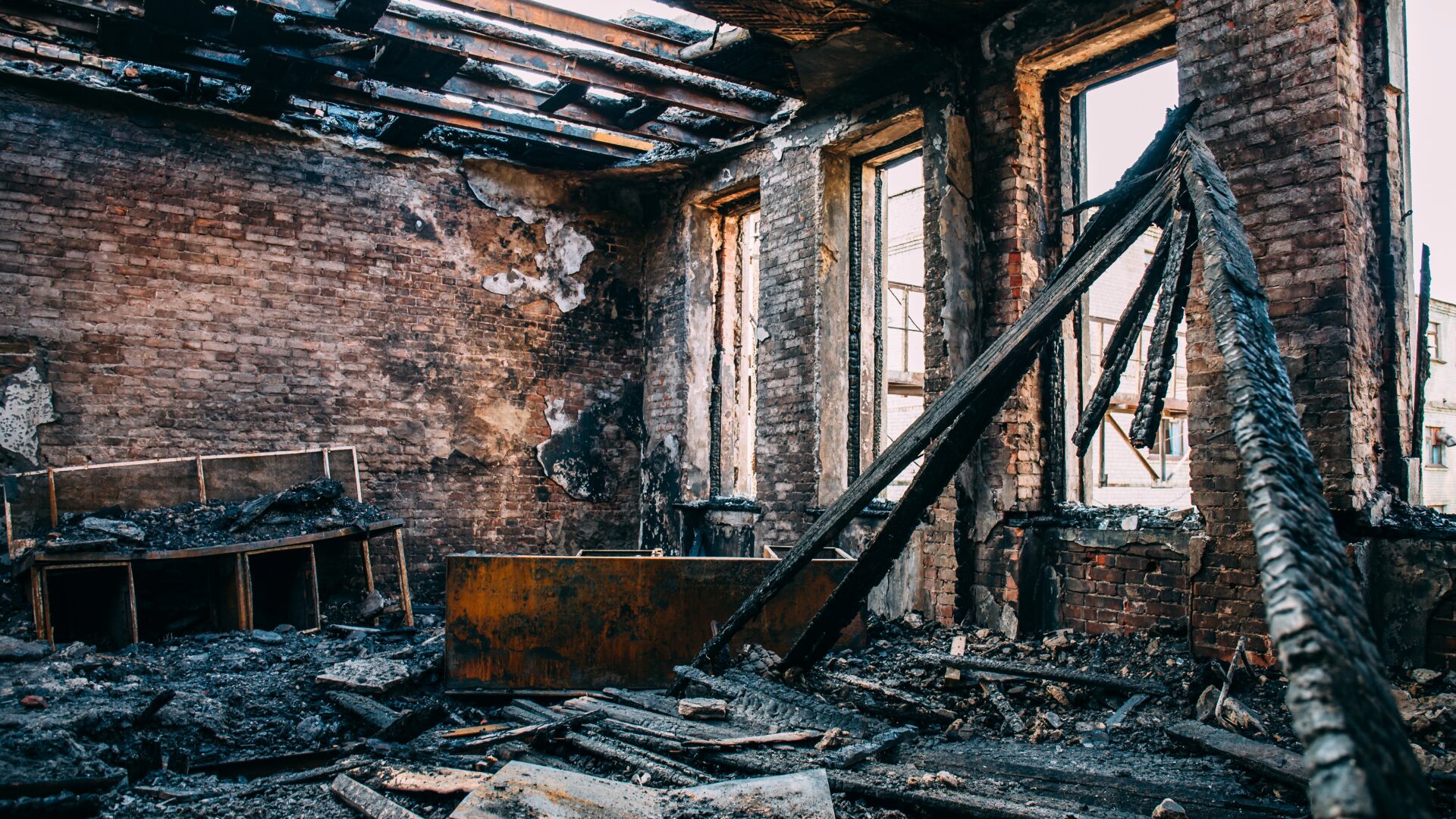
This isn’t just an inconvenience; it’s a signal of a fundamental shift in the landscape of risk. The driving force behind these rising costs is the escalating frequency and intensity of extreme weather events, including the growing threat of wildfires, which is creating a more challenging environment for homeowners when they need their insurance the most.
A Tinderbox Climate
The connection between our changing climate and the spike in insurance claims is now impossible to ignore. The Insurance Bureau of Canada (IBC) reports that in 2024 alone, insured losses from catastrophic events reached over $8 billion, the worst years on record. Wildfires are a major driver of these costs, with the Jasper wildfire amounting to almost $1.3 billion in losses. These massive payouts directly contribute to the premium hikes seen in forested communities across Ontario, and risks associated with wildfires are only increasing.
Data from the Insurance Bureau of Canada confirms this trend. In 2019 and 2020, insurance payouts for catastrophic weather events reached $1 billion. This amount doubled to $2 billion in 2021, and jumped to $8 billion by 2024. This data confirms that the rising losses and associated payouts are placing increased upward pressure on insurance premiums.
The Industry’s Response: A More Difficult Path for Homeowners
For homeowners who suffer a fire loss, this new reality can make the path to recovery far more challenging. This is where the value of an experienced advocate becomes clear.
With financial stakes higher than ever, insurance companies and their adjusters apply intense scrutiny to fire loss claims. Every detail is examined, from the cause of the fire to the valuation of every lost item. This can lead to a complex and often adversarial process, where homeowners feel pressured to accept low settlements or face outright denials.
In response to the risk, insurers are making policies more complex. In high-risk areas, they may offer reduced coverage, introduce new exclusions, or include higher, specific deductibles for fire damage. The fine print in these lengthy documents can be difficult to understand, and a misinterpretation can be costly.
Insurers are increasingly placing the onus of risk mitigation on homeowners, often referencing programs like “FireSmart“. While proactive measures are wise, in the event of a claim, an insurer might argue that a homeowner’s failure to take certain steps contributed to the loss, using it as leverage to reduce a payout.
Why You Need an Advocate in Your Corner
After the trauma of a fire, navigating a complex insurance claim is the last thing you should have to do alone. The insurance company has a team of experts, adjusters, and lawyers working to protect its financial interests. An insurance litigation lawyer works for you.
Retaining legal counsel levels the playing field. An experienced lawyer can:
- Manage the Entire Claims Process: They take the burden off your shoulders, handling all communication with the insurer, managing the extensive paperwork, and meeting critical deadlines. This allows you to focus on your family and rebuild your life.
- Ensure a Full and Fair Valuation: A lawyer will work with independent experts to accurately assess the full scope of your losses, from the cost of rebuilding your home to replacing every item inside. This prevents the insurer from undervaluing your claim.
- Navigate Complex Policy Language: They will conduct a thorough review of your policy to ensure you receive every benefit you are entitled to, fighting back against any attempts by the insurer to misinterpret or misapply the policy’s terms.
- Challenge Unfair Denials: If your claim is unfairly delayed, disputed, or denied, a lawyer has the expertise and resources to challenge the insurer’s decision and, if necessary, commence litigation to secure the settlement you deserve.
In this new era of heightened risk and increased scrutiny, an insurance litigation lawyer is not a luxury—it is an essential partner in ensuring you can recover and rebuild after a devastating fire loss. If you are facing a fire loss, contact one of Davidson Cahill Morrisson’s lawyers to see how we can help you navigate the claims process.