
Latent Defects and Vendor Liability: Lessons from Austin v. MacFarlane
In the recent decision of Austin v. MacFarlane, 2026 ONSC 463, the Ontario Superior Court of Justice addressed the ongoing tension between a vendor’s silence

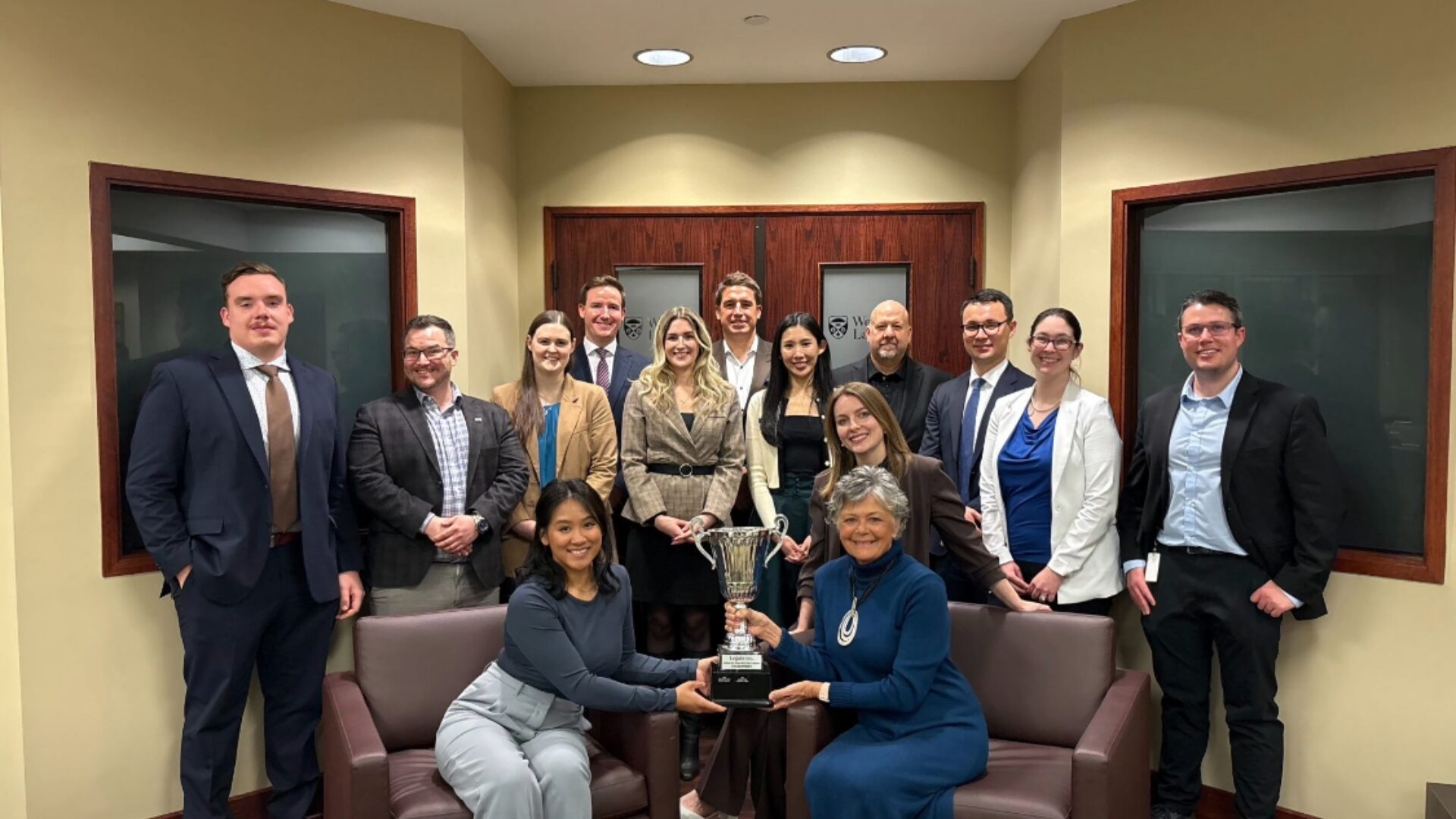
On March 3, 2026, Hudson Chalmers, an associate at Davidson Cahill Morrison LLP, acted as a trial judge for the medical malpractice moot organized by Legate Injury Lawyers and Western Health Law Association. This was Hudson’s third year in a row participating as a trial judge for this competition.
The moot trial competition involves students making opening and closing statements and conduct examinations-in-chief and cross-examinations of medical experts who were being played by medical students at Western University.
This year, the competition revolved around a hypothetical case involving the failure of an emergency room physician to either refer the plaintiff to an obstetrician or diagnose her with a pre-term, premature rupture of membranes. The main issue in this competition was whether the breach of the standard of care caused on contributed to the plaintiff’s septic abortion, sepsis, Disseminated Intravascular Coagulation, and Acute Respiratory Distress Syndrome.
A big thank you to Legate Injury Lawyers and the Western Health Law Association for organizing such an incredible event, and well done to all of the law students who participated.

In the recent decision of Austin v. MacFarlane, 2026 ONSC 463, the Ontario Superior Court of Justice addressed the ongoing tension between a vendor’s silence
In the landscape of Ontario real estate litigation, the principle of caveat emptor (buyer beware) has long served as a formidable defense for vendors. However,

I was retained by Merton Thompson (“Merton”) in 2016. His young wife Elisha Shaw (“Elisha”), mother to his 4 children, had died after being discharged
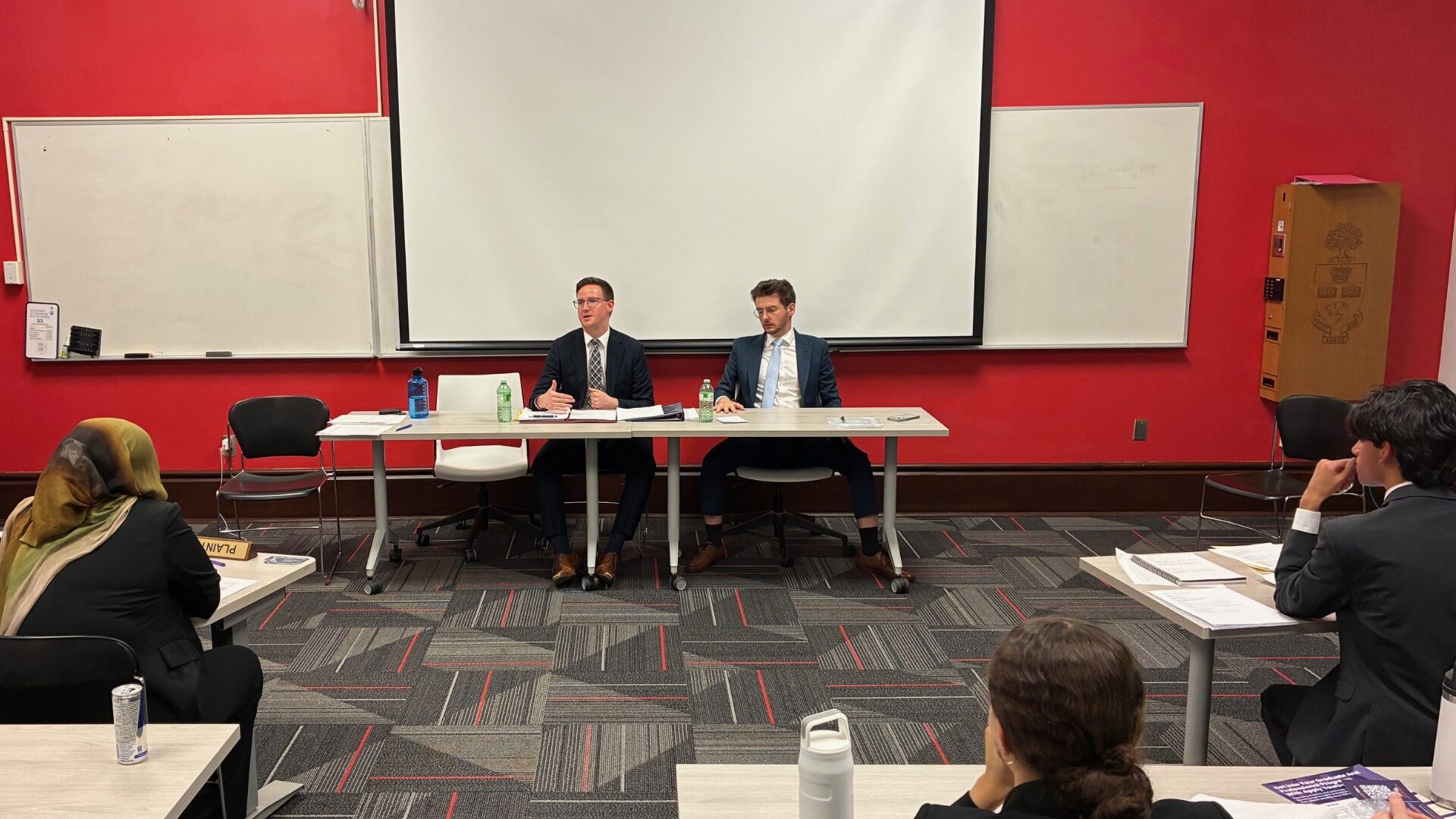
On November 29, 2025, medical malpractice lawyer Hudson Chalmers, of Davidson Cahill Morrison LLP, volunteered as a trial judge at the 8th Annual University of