Latent Defects and Vendor Liability: Lessons from Austin v. MacFarlane
In the recent decision of Austin v. MacFarlane, 2026 ONSC 463, the Ontario Superior Court of Justice addressed the ongoing tension between a vendor’s silence


In the landscape of Ontario real estate litigation, the principle of caveat emptor (buyer beware) has long served as a formidable defense for vendors. However, as the recent decision in Oliva v Dickson, 2025 ONSC 6666 makes clear, this shield is not impenetrable. When a homeowner steps into the shoes of a builder or substantial renovator, they take on legal obligations that cannot be easily signed away in a standard form contract.
Oliva v Dickson is a significant addition to the body of case law concerning negligent construction, echoing principles we have navigated in the past. Notably, our firm, Davidson Cahill Morrison LLP, acted as counsel for the successful parties in Breen v Lake of Bays and Wesley v Geneau, both of which factor significantly into the trial judge’s analysis. This latest judgment in Oliva provides a modern roadmap for how courts interpret the intersection of contract law, the Ontario Building Code, and the duty of care owed by builders to subsequent homeowners.
The litigation centered on a property in the Township of Hamilton purchased by Rose and Leo Oliva from Russell and Cindy Dickson in 2007. The Dicksons were experienced in identifying local properties with “upgrade potential”. Shortly after purchasing the home in late 2006, they commenced a massive renovation project.
These renovations were not merely cosmetic; they involved raising the entire home by four to six feet to accommodate a new basement and the installation of a new septic system. While a permit was obtained for a garage addition, no building permits were ever applied for or issued for the structural lifting of the house or the septic system, as required by the Building Code Act, 1992.
The relationship between the parties was unusually close. The Olivas initially rented a condominium from the Dicksons and eventually moved into a trailer on the subject property while construction was ongoing. Leo Oliva was even hired by the Dicksons as a “site super,” monitoring the progress of the renovations. Despite this involvement, the truth about the missing permits only surfaced years later, following a basement flood and a subsequent inquiry to the Township.
In reaching his decision, Justice Sutherland emphasized the fundamental importance of Ontario’s regulatory framework. He noted that “the purpose of the construction scheme in Ontario on the application for a building permit, granting of the building permit, and subsequent inspections… is to protect the health and safety of the public”.
The Court observed that these regulations ensure a uniform standard of construction so that any purchaser can have “some comfort that the home constructed complies, at a minimum, with the construction standards imposed by the legislative scheme.” By failing to obtain permits, the defendants bypassed the very safeguards intended to prevent structural failures or hazardous living conditions.
The defendants argued that because the construction was substantially complete at the time of the sale, and the Agreement of Purchase and Sale (APS) contained an “entire agreement” clause, no warranties regarding the construction could exist.
The Court disagreed, applying the “officious bystander test” to determine if a term should be implied into the contract. This test asks whether, if a hypothetical bystander had asked the parties if a certain term should be included, they would have both replied, “oh, of course”. Justice Sutherland determined that:
Therefore, it was an implied term of the contract that the raising of the house and the septic installation would comply with the law.
The decision further solidifies the duty of care owed by those who build or renovate for resale. Following the lead of Winnipeg Condominium, the Court found that contractors and seller-builders owe a duty in tort to subsequent purchasers if a failure to take reasonable care creates defects posing a substantial danger.
The Court held that:
While the Olivas won on the law, they were only partially successful on damages, proving that establishing a breach is not the same as proving a loss.
The Septic Success: $57,701.87 Awarded
The plaintiffs were successful regarding the septic system. Expert evidence showed the installation was faulty, located too close to the house, and contaminated the water well. Because the link between the breach and the damage was clear, the Court awarded the costs to relocate the system.
The House Raising Failure: Damages Dismissed
The claim for the costs of “underpinning” the house foundations was dismissed. Despite the breach of the standard of care, the Court found gaps in the evidence.
The house had shown no signs of settlement or movement since 2007. The plaintiffs had already performed their own repairs using a “squeezing” method that added 1,500 square feet of space. There was no evidence presented that this specific method was necessary to fix a structural defect, nor was the actual cost of this work provided to the Court.
Oliva v Dickson reminds us that house flipping and structural renovations are not exempt from the law. If you perform structural work on residential houses in Ontario, you must follow the permit process intended to protect the public. For buyers, this case provides a path to recovery if the construction proves defective; for sellers, it is a warning that unpermitted work can lead to significant liability.
At Davidson Cahill Morrison LLP, our team continues to lead the way in navigating these complex legal landscapes, providing strategic guidance to both property owners and purchasers in Building Code compliance and construction liability disputes.
In the recent decision of Austin v. MacFarlane, 2026 ONSC 463, the Ontario Superior Court of Justice addressed the ongoing tension between a vendor’s silence

I was retained by Merton Thompson (“Merton”) in 2016. His young wife Elisha Shaw (“Elisha”), mother to his 4 children, had died after being discharged
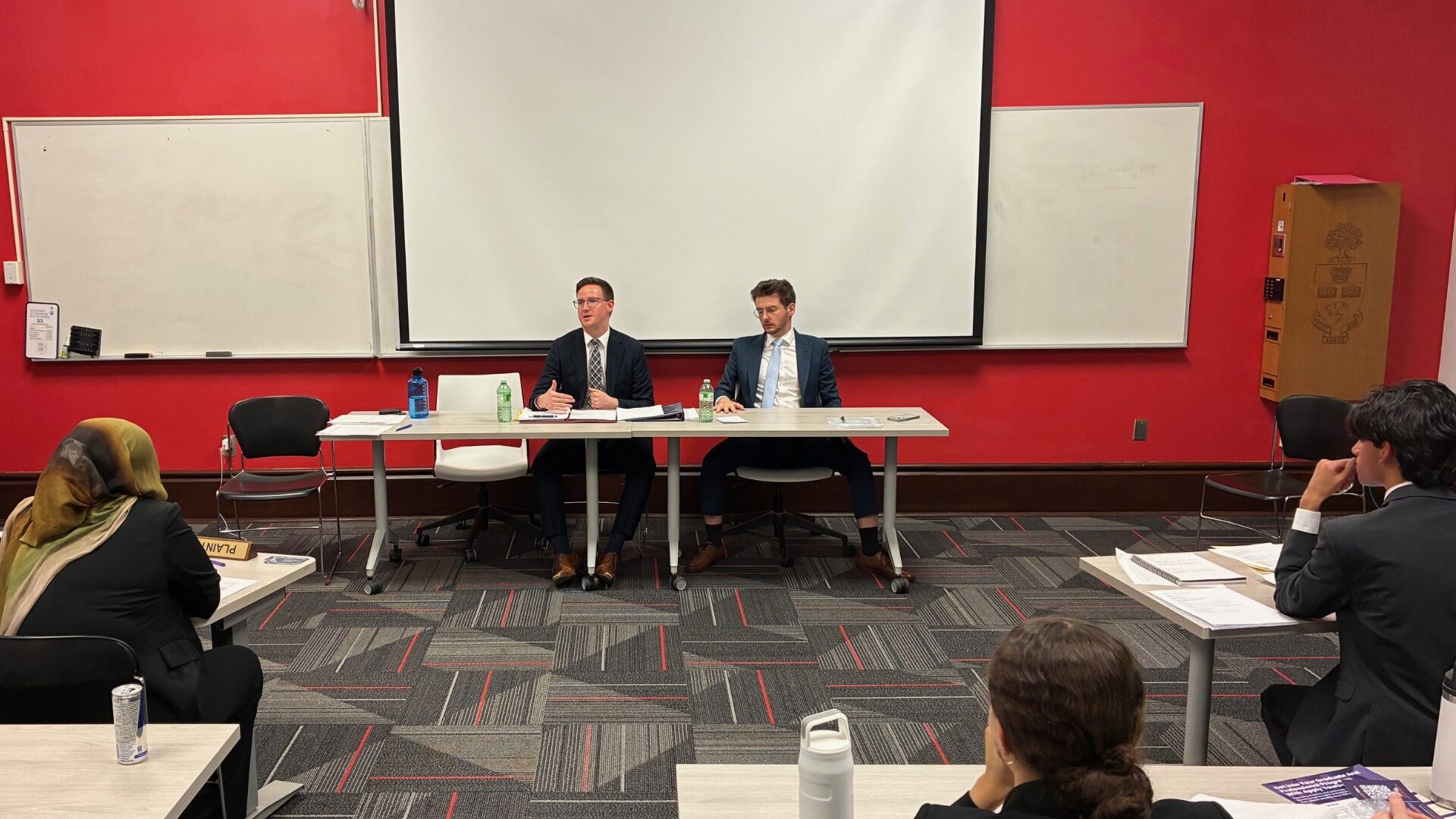
On November 29, 2025, medical malpractice lawyer Hudson Chalmers, of Davidson Cahill Morrison LLP, volunteered as a trial judge at the 8th Annual University of
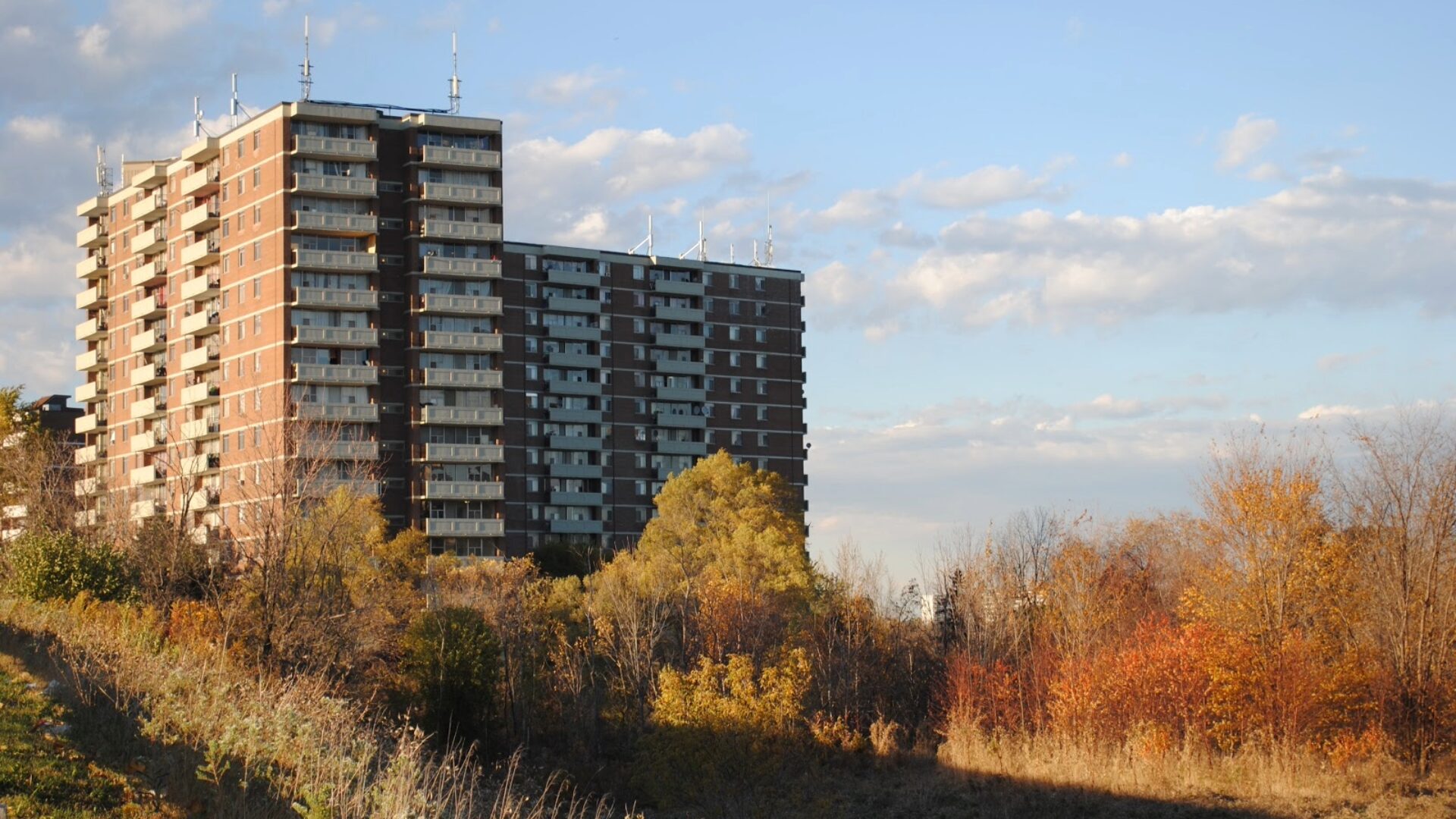
On October 7, 2025, the Justice Schabas of the Ontario Superior Court of Justice released the long-awaited decision in Avedian et al v Enbridge Gas