A slip or fall on someone else’s property is rarely just an embarrassing moment. A patch of unsalted ice, a wet floor with no warning sign, or a broken stair can leave you with a fractured wrist, a torn shoulder, or a head injury that keeps you off work for months. Ontario law gives you the right to compensation when a property was not kept reasonably safe. It also imposes short, easily missed deadlines, and the most important thing to understand is that you may have far less time to protect your claim than you think. This guide explains who is responsible for a fall, the notice deadlines that catch people off guard, what you have to prove, and what to do next.
When Is a Property Owner Responsible for Your Fall?
Falls on private and commercial property are governed by the Occupiers’ Liability Act. It requires an “occupier” to take reasonable care to see that people on the premises are reasonably safe. An occupier is anyone in possession of, or responsible for and in control of, a property, which often means more than one party at once: the owner, a tenant, a property manager, the business operating there, and the contractor hired to handle maintenance or snow removal.
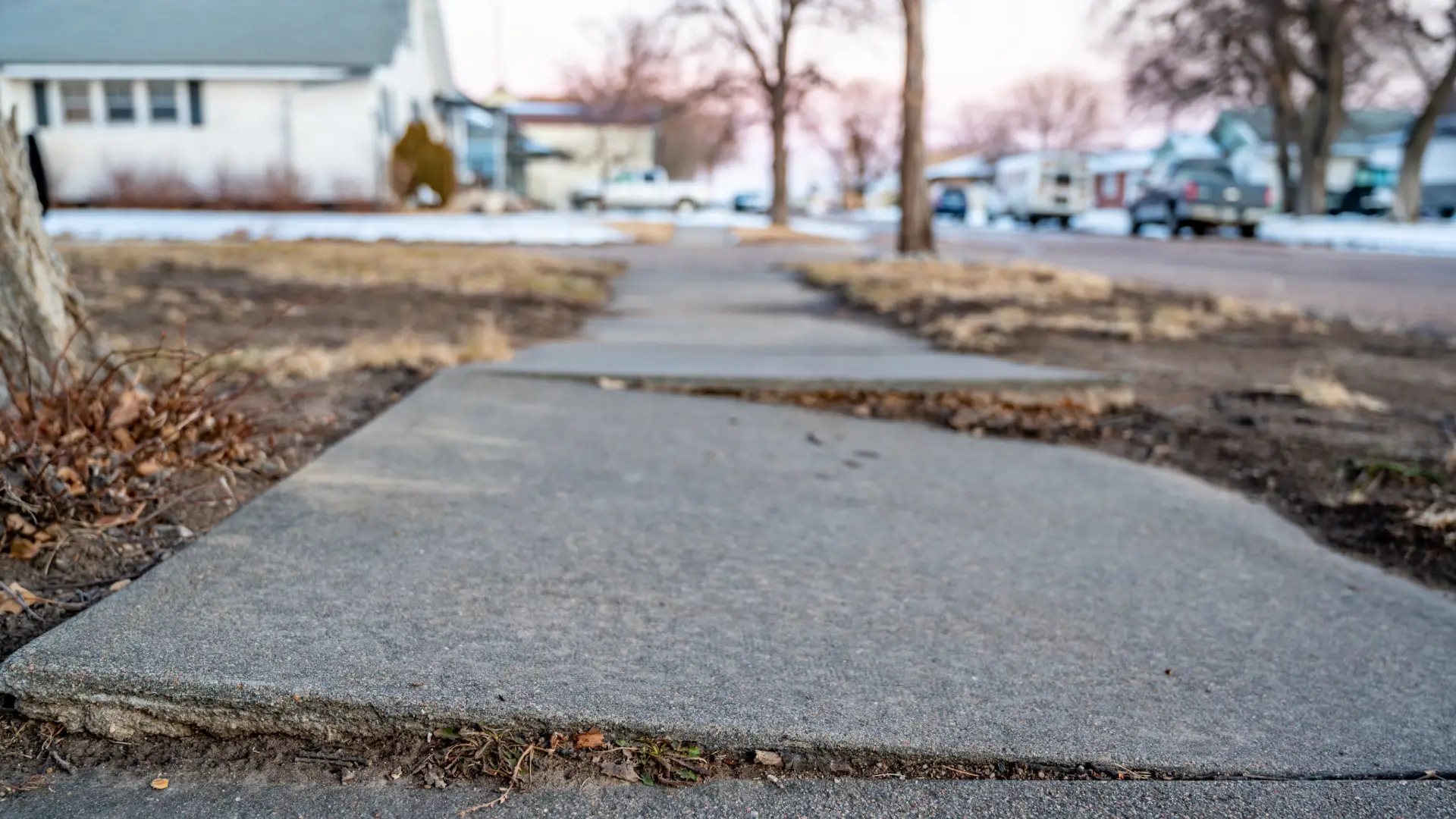
Reasonable care is not a guarantee that no one will ever fall. The real question in most cases is whether the occupier had a sensible system for inspecting and maintaining the property and actually followed it. A grocery store that mops up spills on a set schedule and logs it stands on very different ground from one that ignored a leak for hours. The hazards behind most slip and fall claims are familiar: snow and ice, wet or recently washed floors, spills left unattended, uneven flooring or pavement, poor lighting, loose mats, debris, and broken stairs or missing handrails.
The Deadline Most People Miss: The 60-Day Snow and Ice Notice
This is the single most important point on this page. Since January 29, 2021, if your fall was caused by snow or ice, you must give written notice within 60 days of the fall to the occupier and to any contractor responsible for clearing the snow or ice. Miss that window, and your claim can be barred entirely, no matter how serious your injuries are.
The notice has to set out the date, time, and location of the fall, and it must be delivered by personal service or by registered mail. There is a narrow safety valve: a judge can excuse a missed or insufficient notice where there was a reasonable excuse for the delay and the defendant was not prejudiced in defending the claim, and the requirement does not apply where the injured person has died. But courts read “reasonable excuse” strictly, and being unaware of the rule or simply focused on recovering usually does not qualify.
Two practical problems make this deadline dangerous. First, it is often unclear who the right parties even are, because a plaza or condominium can have several occupiers and more than one snow contractor responsible for different areas. Second, insurers and contractors use those 60 days to gather salting logs, surveillance footage, and witness accounts before the trail goes cold. This is precisely the point at which to involve a lawyer quickly, so the notice is served on the right parties, in the right form, and on time.
Falls on City Sidewalks Follow Different Rules
If you fell on a municipal sidewalk or other public property, a separate framework applies under the Municipal Act, 2001 (and the City of Toronto Act in Toronto). The notice period is far shorter, generally about 10 days to notify the municipality, and the legal standard is tougher. For snow or ice on a municipal sidewalk, you must show the municipality was grossly negligent, not merely careless. Pinning down exactly where you fell, private property or city sidewalk, matters enormously, because it changes both the deadline and what you have to prove.
The Two-Year Limitation Period
The notice requirements above are separate from, and on top of, the deadline to actually start a lawsuit. Under the Limitations Act, 2002, you generally have two years from the date of the fall to commence your claim in court. Serving notice protects your right to bring the claim; it is not the same as starting the lawsuit, and both deadlines have to be met.
What You Have to Prove
Winning a slip and fall claim is not automatic just because you were hurt. You generally have to show that a hazard existed, that the occupier knew or ought to have known about it, that the occupier failed to take reasonable care, and that the fall caused your injuries and losses. The evidence that decides these cases is often gone within days: photographs of the actual hazard, an incident report from the store or building, the names of witnesses, the footwear you were wearing, weather records, and the occupier’s own maintenance and salting logs. That is why acting early matters so much; the occupier is preserving its evidence from day one, and you should be preserving yours.
Expect the other side to push back. Occupiers routinely argue that you were not watching where you were going, that you wore unsuitable footwear, or that the hazard was obvious. This is called contributory negligence, and even if it succeeds it usually reduces your compensation rather than eliminating the claim. A clear record of what happened is the best answer to it.
What to Do After a Slip and Fall
- Get medical attention and make sure your injuries are documented from the start.
- Report the fall to the property owner, store, or building manager, and ask for a written incident report.
- Photograph the hazard and the scene right away, before it is cleaned, salted, or repaired.
- Collect witness names and contact details, and keep the footwear and clothing you were wearing.
- Write down the date, time, and exact location of the fall while it is fresh.
- Get legal advice promptly, especially after a snow or ice fall, so the 60-day notice is served correctly and on time.
For a fuller walkthrough of these first moves, see our guide on the steps to take after a slip and fall accident in Ontario.
What Your Claim May Be Worth
Every claim is different, and the value depends on the nature of your injury and how it affects your life. Compensation can include general damages for pain and suffering, past and future loss of income, the cost of medical treatment and rehabilitation, attendant care, and out-of-pocket expenses. A minor sprain that heals in weeks and a fractured hip that ends someone’s independence are not in the same range, and an honest assessment requires looking at your specific injuries, prognosis, and losses.
How We Help
Our team handles the parts of a slip and fall claim that are easy to get wrong on your own. We identify every occupier and contractor who may be responsible, serve the required notices on time, move quickly to preserve evidence before it disappears, deal with the insurer on your behalf, and build the claim toward a fair result. Most slip and fall cases resolve through negotiation or mediation, but we prepare every file as though it will go to trial.
Frequently Asked Questions
How long do I have to make a slip and fall claim in Ontario? It depends on where you fell. For snow or ice on private property, written notice is generally required within 60 days. For a municipal sidewalk, the notice period is much shorter, roughly 10 days. Separately, you usually have two years from the fall to start a lawsuit. Because the deadlines are short and easy to miss, get advice early.
I slipped on ice weeks ago and did not give notice. Is it too late? Not necessarily. A judge can excuse a late or missing notice where there was a reasonable excuse and the defendant was not prejudiced, but that exception is applied narrowly. Speak to a lawyer right away rather than assuming your claim is gone.
Who is responsible if I fell at a store or shopping mall? Often more than one party, including the owner, the business operating the premises, the property manager, and any contractor hired to clean or clear snow and ice. Part of the work is identifying all of them.
What if I was partly to blame for my fall? You may still have a claim. Being found partly at fault, for example for footwear or inattention, generally reduces your compensation rather than barring the claim outright.
Do I really need a lawyer? These cases turn on short deadlines, fast-disappearing evidence, and the occupier’s own maintenance records. Early legal advice is the most reliable way to protect your claim before a technical deadline does the insurer’s work for it.
Talk to a Slip and Fall Lawyer
If you have been injured in a slip or fall, the worst thing you can do is wait, particularly if snow or ice was involved. Our slip and fall lawyers in Toronto can identify who is responsible, protect your deadlines, and pursue the compensation you are owed. Contact us for a consultation and let us help you take the next step.