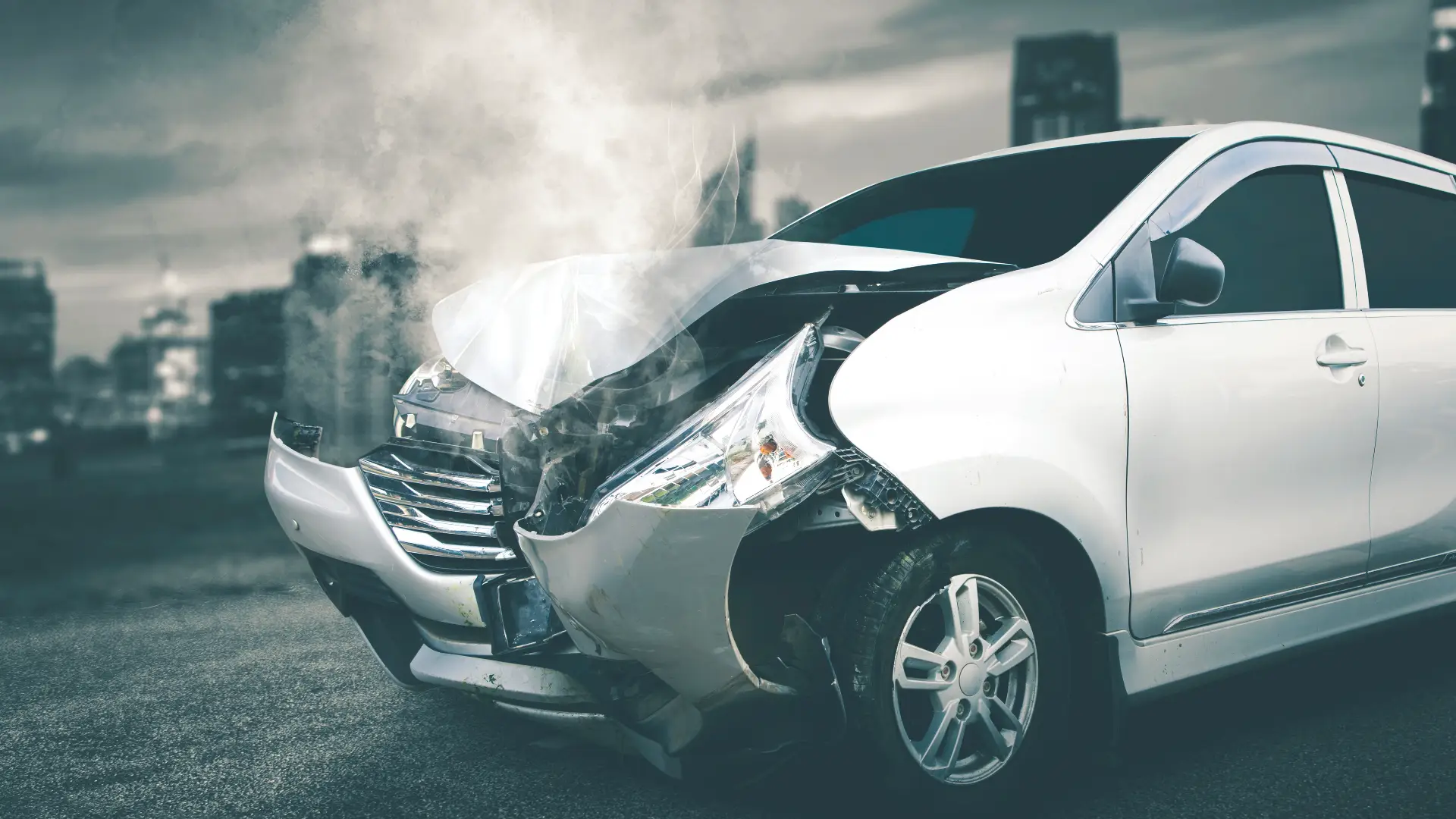
A car accident is stressful and disorienting, and most people are not thinking clearly in the moments right after a crash. Yet the steps you take at the scene and in the days that follow can protect both your health and any claim you may have. Here are seven steps to take if you are involved in a car accident in Ontario, with a few notes for drivers here in the Durham region, where our Bowmanville office helps injured people every day.
1. Get to Safety
If it is safe to do so and your vehicle is drivable, pull to the side of the road to keep traffic moving, then turn off your engine. If your vehicle is not drivable or it is not safe to move, leave your hazard lights on and stay where you are until help arrives. Check on anyone else involved, and if someone is injured, do not move them. Call 911 right away if there are any injuries.
2. Gather Evidence at the Scene
If you are physically able, collect as much information as you can before you leave, because the scene changes quickly and memory fades. Take photos and video of the vehicles, their positions, the damage, and the road, weather, and lighting conditions. Exchange names, phone numbers, licence plate numbers, and insurance details with every driver involved, and record the same contact details for any passengers and witnesses. If an officer attends, note their name and badge number and ask how to obtain the accident report. If a vehicle is towed, write down the towing company’s details. A short checklist on your phone is useful, because many people are in shock and forget these steps.
3. Report the Accident to the Police
You must call the police when anyone is injured or killed, when the combined damage appears to exceed $5,000, when public, municipal, or highway property is damaged, when a criminal element is involved such as suspected impaired driving, or when a pedestrian or cyclist is struck. If there is any injury, report to the police regardless of the dollar amount of damage.
It is worth knowing that this dollar threshold changed recently. As of January 1, 2025, the property-damage figure that triggers mandatory police reporting rose from $2,000 to $5,000, the first increase in more than three decades. If your collision is reportable but the police do not attend the scene, you are generally required to report it in person at a Collision Reporting Centre, usually within 24 hours. In the Durham region, that is the Durham Regional Police Collision Reporting Centre in Whitby. Failing to report a reportable collision is an offence under the Highway Traffic Act, carrying a fine and demerit points, and leaving the scene can be a criminal matter.
4. Get Medical Attention and Document Your Injuries
See a health practitioner even if your injuries seem minor, whether that is your family doctor, a hospital, a physiotherapist, or a psychologist. Doing so puts your injuries on the record in writing. Keep copies of your medical records, the names of every practitioner you see, and receipts for any accident-related expense such as medication. Continue with your follow-up appointments, since a consistent treatment history both supports your recovery and shows the insurer you are taking steps to get better. Tell your practitioners about every symptom, no matter how small. Anything you leave out will not appear in your records, and it becomes much harder later to prove that the injury came from the accident. Doctors do not always write down everything you say, so it helps to bring a short written list of your complaints.
5. Watch What You Say, and Do Not Accept Money at the Scene
Emotions run high after a crash, but what you say can be used against you later. Do not admit fault, do not argue with the other driver, and try to stay calm and focused on the steps above. If another party offers you cash on the spot to settle the matter, do not accept it before you have spoken to a lawyer. A quick payment at the roadside is almost always far less than you would be entitled to, and accepting it can compromise your claim.
6. Report the Accident to Your Insurer and Apply for Accident Benefits
You have seven days from the accident to notify your insurance company. An adjuster will be assigned and will send you an Application for Accident Benefits, known as the OCF-1, which you must submit within 30 days of receiving it. These accident benefits are part of Ontario’s no-fault system, which means you can claim them through your own insurer even if you caused the crash.
One important change is now in effect. As of July 1, 2026, medical, rehabilitation, and attendant care benefits remain mandatory and are the core of the coverage, with your auto insurer acting as the first payor for medical and rehabilitation costs. Several other benefits, however, became optional and now depend on the coverage your policy actually includes. Because of this, it is worth confirming what your own policy provides. For a fuller explanation of the system and the deadlines, see our guide on applying for accident benefits after a car accident in Ontario.
7. Talk to a Personal Injury Lawyer
There are broadly two ways an injured person is compensated after a crash, and a lawyer can help you pursue both. The first is the no-fault accident benefits above, available regardless of who was at fault. The second, if you were not at fault, is a tort claim against the at-fault driver for losses your benefits do not cover, such as pain and suffering and income loss beyond the benefit limits. A two-year limitation period generally applies to that claim, and Ontario also applies a statutory deductible to most car-accident pain-and-suffering awards (roughly $48,000 in 2026) unless the award is large enough to clear the set threshold.
A lawyer can help you navigate the insurance and healthcare systems, make sure your rehabilitation is properly funded, and protect your right to fair compensation. If you would like a sense of the road ahead, our explainer on how long a personal injury claim takes walks through the process.
Injured in a Crash in the Durham Region?
If you or a family member has been seriously injured in a car accident, the steps above will help you protect your health and your claim, but you do not have to manage the legal side alone. From our Bowmanville office, Ron Strike and our personal injury team act for injured people across the Durham region, including Oshawa, Whitby, Ajax, Pickering, Clarington, Uxbridge, Scugog, and Brock, and throughout Ontario. Contact us for a free consultation and an honest assessment of your options.