Proven Courtroom Advocates · Offices in Toronto, Huntsville and Bowmanville

Category

Insurance Law

Civil Litigation & Appellate Advocacy

Insurance law governs the relationship between insurers and the insured, from the wording of a policy to the handling of a claim and the litigation that follows a denial. Posts in this category address coverage disputes, title insurance, long-term disability denials and the duties insurers owe to those they insure in Ontario.

The firm acts for insureds and claimants and appears at all levels of court on coverage and good-faith questions. The commentary is written to make a technical area accessible without losing the detail that decides cases.

None of it is a substitute for advice on your own policy, which turns on its specific wording and the facts of the claim.

Navy Davidson Cahill Morrison LLP title card reading "Ottawa Floods and Construction Defects," with a photo of partner Peter Reinitzer.

After the Deluge: When Ottawa Basement Flooding Points to Construction Deficiencies

The historic Canada Day 2026 storm left thousands of Ottawa homeowners tearing out drywall and replacing ruined furnaces. But an extraordinary weather event does not absolve builders and engineers of liability: where one home floods while its neighbours stay dry, the real cause may be a hidden construction defect, and that opens a very different path to recovery, if you act before the limitation clock runs out.

Read More »
Navy Davidson Cahill Morrison LLP case comment card reading "Kamlu Engineering v 2502301 Ontario Inc" with the subtitle "A board-less corporation lacks the capacity to sue", from dcmlaw.ca.

Kamlu v 2502301 Ontario Inc: Why a Board-Less Corporation Cannot Litigate

In Kamlu v 2502301 Ontario Inc, the Ontario Superior Court dismissed an action as a nullity after the defence discovered the plaintiff corporation had operated for years with no valid board of directors, its sole directing mind an undischarged bankrupt. Justice Chiappetta held that an officer’s authority cannot outlive the board, and that a trustee’s silence is not ratification. A cautionary tale on corporate governance and the capacity to litigate.

Read More »
Legal case banner on dark blue background: firm name on the left, case comment label on the right, large title Chippewas v Sexton’s Mechanical Limited with subtitle about builder’s risk and subrogation

The Contract Strikes Back: How a Breach of Builder’s Risk Obligations Defeated a Subrogated Claim

A subrogating insurer steps into its insured’s shoes, and inherits its insured’s contractual breaches along the way. In Chippewas v Sexton’s Mechanical Limited, the owner cancelled the required builder’s risk policy before occupancy and before the loss. On summary judgment, the subrogated claim was dismissed. A cautionary read for insurers and contractors alike.

Read More »
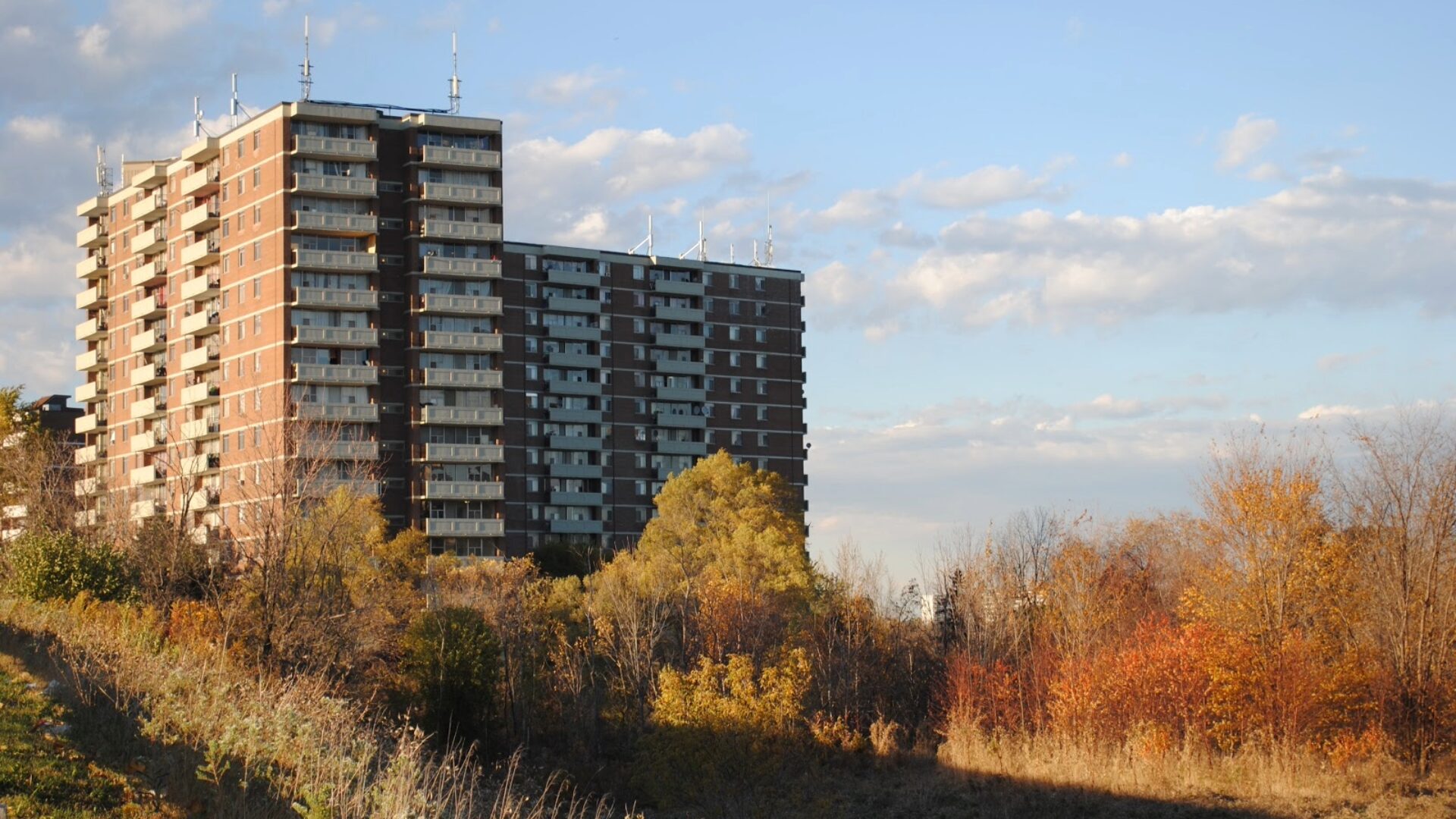
Apartment Building

No Damages Awarded for “The Building that Blew Up”: $16 Million Damages Claim Dismissed After 13-Years of Litigation

Liability for the 2010 laundry-room gas explosion was admitted, so the only question at trial was damages, and the plaintiffs sought more than $16 million. After a four-week trial and nearly 13 years of litigation, Justice Schabas of the Ontario Superior Court dismissed the action entirely, finding the plaintiffs had not proven the explosion caused their claimed losses. Christopher Morrison and Margaret Klassen acted for the fourth parties.

Read More »
Residential Home Flood

Flooded Again? Why Your Insurance Denial Might Be a Clue to a Deeper Problem

A property owner suffers a devastating flood, makes the panicked call to their insurer, and is told the policy does not cover “overland flooding,” or that the sewer-backup limit falls far short of the repair bill. For many that is the end of the road. But a denial can be a clue that the real problem is not the rain at all, but a construction defect in how the home was built, and that opens a very different path to recovery.

Read More »
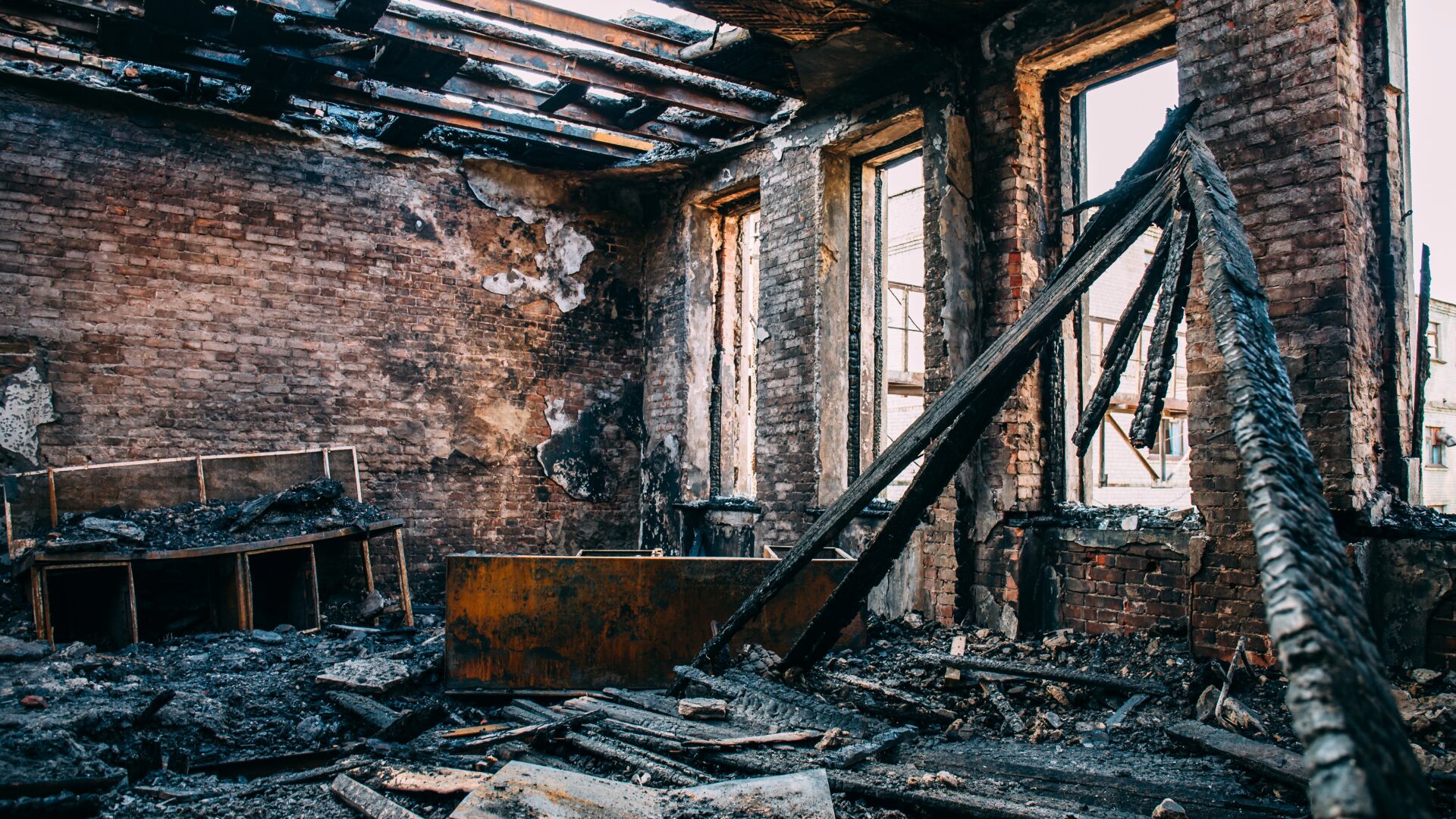
Inside of House Damaged by Fire

Feeling the Heat: A Homeowner’s Guide to Challenging an Insurer After a Fire

Home insurance premiums are climbing across Ontario, hitting cottage-country communities like Huntsville especially hard, as extreme weather and wildfire risk reshape the insurance landscape. The Insurance Bureau of Canada reported over $8 billion in catastrophic losses in 2024. For homeowners facing a denied or underpaid fire claim, this is a guide to scrutinizing the denial and pushing back.

Read More »
Real Estate Documents Being Signed

Significant Differences In Title Insurance Policy Wording a Potential Cause for Concern for Lawyers

Ontario has four licensed title insurers, and unlike in the United States, no regulator standardizes what their policies say. Having acted for homeowners insured by each of them, the firm’s insurance litigation group has seen how a difference of two or three words can decide a future claim. The harder question is for the lawyers selling these policies at closing: on what basis is that choice being made?

Read More »
Meeting Between Lawyer and Clients

Is Your Lawyer Acting as an Unlicensed Insurance Agent?

When a real estate lawyer orders a title insurance policy for a client, are they quietly stepping into the role of an insurance agent? Read against the Insurance Act’s definition of “agent” and the fact that lawyers are not members of the Registered Insurance Brokers of Ontario, the question is sharper than it looks, and it is one reason a homeowner should not rely on the lawyer who sold the policy to tell them whether they have a claim under it.

Read More »
David Morin's Concluding Commentary on Title Insurance Claims

Concluding Commentary on Title Insurance Claims

In this concluding commentary on the firm’s title insurance work, we summarize the series and offer practical advice to homeowners and homebuyers. The key lesson: residential title insurance policies cover far more than title alone, including many physical problems with a home that owners assume fall outside their coverage.

Read More »